I Am an Overcomer
We are born with the capacity to move through life’s challenges without being undone or defined by them. That capacity does not come from circumstance, personality, or effort alone. It’s rooted in who we are at our core. Learning to trust and live from that inner strength has been the defining work of my life.
I have faced illness, fear, loss, and seasons when uncertainty was the loudest voice among my thoughts. I have also lived through experiences that were harder to name, moments of feeling out of place, questioning whether I belonged, and wondering if being fully myself would cost me acceptance. What matters most to me today is not the variety of things I have faced, but the recognition of myself as someone who can meet life without abandoning who I am.
Early in my New Thought spiritual journey, I thought principles were ideas meant to comfort or explain life. Over time, I discovered that they ask something more of us. Spiritual principles are intended to be lived. They require commitment and action. They call for alignment between what we know and how we show up.
Paying Attention to Principle
One principle in particular became the turning point for me: Through thoughts, words, and actions, we live the Truth we know. This principle stopped being a statement I agreed with and became a standard I practiced. It asked me to pay attention to how I spoke about myself, how I interpreted what I was facing, and how I chose to act when fear or doubt appeared. It made my expression of faith practical and livable.
“Spiritual principles don’t remove difficulty from our story; they give us a way to meet and overcome it.”
Living the Truth I know has meant choosing integrity over approval and resisting the habit of reshaping myself to fit the room. It has meant letting my life reflect what I say I believe, even when doing so left me feeling uncomfortable or exposed. The real work was not changing the circumstances but staying grounded in my Truth as I moved through them. I believe this is how spiritual principles support our overcoming. They don’t remove difficulty from our story; they give us a way to meet and overcome it. Spiritual principles steady our thinking, ground our words, and guide our actions. When we realize this, we stop asking whether we are capable and begin living as though we are.
Practicing the principles has taught me that growth does not come from insight alone. It comes from the application and realization of Truth at work within me. Each time I have chosen to act from what I know instead of reacting from fear, something has settled within me. Confidence has not come because life became easier, but because I trusted myself to meet whatever came.
Keep Returning to Truth
What I am still learning is this: What I face matters less than who I am while facing it. Challenges will come. Uncertainty will appear. Fear may still speak. And none of this gets to define me. I have learned to recognize myself as someone who returns to Truth, lives what is known, and keeps moving forward.
I am clear that being an overcomer is the quiet power of our spiritual nature. It equips us to live with resilience, clarity, and courage. It invites us to stop waiting for change and start embodying it. Living the Truth we know is the journey, and this is where it begins.
This article first appeared in the Unity booklet, Spiritual Keys to Overcoming Adversity.
About the Author
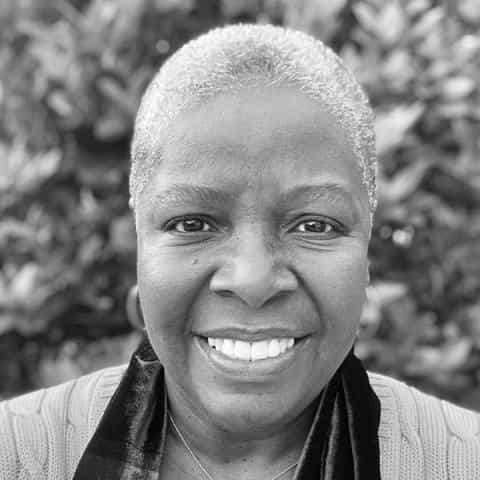
Rev. Kathy Beasley is senior minister at Unity Spiritual Center near The Villages®, Florida, and a senior manager in the Unity Prayer Ministry.


More
 Article
One World, One Heart: Finding Solace in Senseless Loss
Navigate tragedy with hope. Transform pain through divine love, and explore articles, booklets, and other resources.
 Article
Why We Turn to Prayer
When life feels overwhelming, we turn to prayer. Explore how prayer can steady us, nurture faith over fear, and connect us to God's presence always.
 Article
Recovery: The Art of Not Playing God
In this heartfelt piece, Rabbi Rami explores the 12 steps, revealing how surrendering the urge to control life leads to spiritual freedom.
 Article
Return to Center: Finding Peace in Today’s World
Staying spiritual in what seems like chaos or destruction may be a challenge, but it is possible to remain steady and live from the ground of our being.