Genesis 37
Comment:
This long chapter tells the familiar story of Joseph and his brothers, and begins the eventful story of Joseph’s life that brings the Book of Genesis—and the history of the patriarchs—to a conclusion. The important metaphysical question (as always) is what the story can tell us about our own spiritual journey and its challenges.
Joseph is clearly aware from an early age of his true spiritual nature, in a way that his brothers are not. He is not only beloved by his earthly father, Jacob/Israel, but is able to express his deep connection to the divine, as symbolized by the prophetic power of his dreams. But Joseph also teaches us that our innate spiritual gifts must be used and expressed in love, and with a sense of responsibility. They are not to be claimed by the ego as proof of human superiority over other, equally spiritual (if unaware) beings. He alienates his brothers by rashly sharing and interpreting his own dreams in a way that suggests he is divinely intended to rule over them. The resentful brothers react by overpowering him and selling him into slavery. The result is a long life of challenge—all of which Joseph experiences with grace and good humor. He has learned his lesson, and when another opportunity arises to interpret dreams—this time the dreams of the Pharaoh—his approach is quite different. There is no ego involved; he makes it clear from the outset that his is not a human skill but an expression of divine wisdom. And this time his interpretations earn him, not enmity, but riches and authority.
When we first begin to realize and experience our Oneness with the divine, the temptation is strong to allow our mortal mind to use it for personal gain. Like Joseph—and like Jesus in his wilderness temptations—we must be willing to commit our spiritual gifts to their proper purpose, to heal and empower others so that together we can transform the world.
Blessings!
Rev. Ed
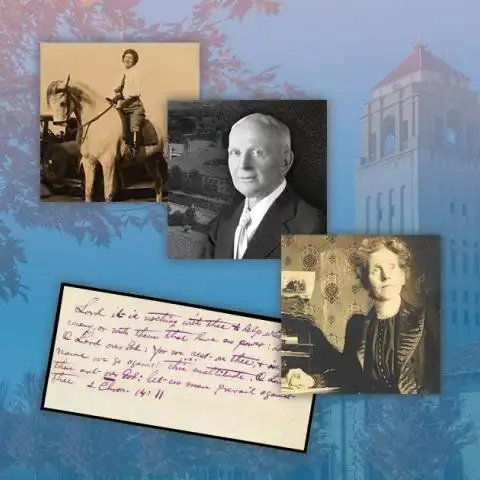
Explore the Rich History of Unity

Curious about the meaning of Bible verses?
More
 Bible Interpretation
Genesis 37:16-24 and Genesis 41:37-42
Question:I am creating a dance around these two passages.Comment:I'm not going to print out the passages because they're long, and
 Bible Interpretation
Genesis 41:31-40
The plenty will no longer be known in the land because of the famine that will follow, for it will
 Bible Interpretation
Genesis 50:20: "As for you, you meant evil against me..."
Comment:Dear Friend,I share your appreciation for Genesis 50:20: "As for you, you meant evil against me; but God meant it
 Bible Interpretation
Genesis 45:7-8
"God sent me before you to preserve for you a remnant on earth, and to keep alive for you many