Teaching Peace to Tiny Humans (While Learning It Myself)
In my home, mindfulness and spirituality are not rigid, formal practices. It is something we live in small, everyday moments with my 1-year-old and 3-year-old daughters. It is woven into how we move through hard feelings, how we start our mornings, and how we come back together at the end of the day. It lives in the in-between moments, the ones that do not look perfect but matter the most.
No Perfect Moms Here
I am not a perfect mom. I am not even close. Some days feel messy and loud and overwhelming. I feel over-touched and overstimulated, just like everyone else. There are moments I want quiet, space, a reset. But what I have learned is that spirituality does not require perfection. It requires consistency, honesty, and a willingness to grow alongside your children, even on the days you feel like you are falling short.
Grounding Made Simple
One of our most important practices is grounding. If my girls are overwhelmed, scared, or stuck in what we call “bad thoughts,” we go back to the basics. We step outside together. We stand barefoot whenever we can. When it is too cold, we still step outside, shoes on, for just a moment, because the practice matters more than the conditions. I guide them to imagine their energy moving down through their feet and into the earth, like roots growing quietly beneath their toes.
Then we walk through it together, the same way every time, like a rhythm they can return to.
I’ll ask, “What do we do when a bad thought shows up?”
They’ll say, “We send it down through our feet into the earth.”
I remind them, “And what do we tell that thought?”
They answer, “You don’t belong here. You can go.”
I’ll ask, “What happens after that?”
“It leaves.”
“And what do we choose instead?”
“Things that make us feel safe and happy and loved.”
It is simple. It is repetitive. And it works. Not because the words are magic, but because the practice teaches them something deeper: They are not controlled by their thoughts. They have a say in what stays and what goes. They have agency, even at a young age. And honestly, in those moments, I am learning that right alongside them.
Move, Stretch, Breathe
Movement is another anchor in our home. My girls do yoga every day. They do it at daycare and at home. Sometimes it is structured, sometimes it is just stretching and giggling on the floor, little bodies moving freely without expectation. What matters is that they are learning to connect their bodies and their breath, to feel instead of to react.
We also practice stillness. We take belly breaths. We do box breathing together. We pause and reset when emotions run high, even when it feels inconvenient or imperfect. These moments are short, but they leave a mark. They teach that peace is not something you wait for. It is something you can return to again and again.
Fear Isn’t Forever
When fear shows up, we do not ignore it. We sit with it, and then we gently shift it. If my daughters are scared about something, I ask them to tell me the best thing that could happen instead. Sometimes their answers are simple. Sometimes they surprise me. But every time, I watch their minds move from fear into possibility, and it feels like watching a door open.
Start with Intention
Our days begin with intention. In the car, on the way to start our day, we say affirmations. We talk about who we want to be and how we want to feel. It is not about getting it right. It is about choosing it on purpose. At dinner, we slow down and reflect. We share the peak of our day and the pit of our day. There is space for joy and for challenge, for celebration and for hard things, without judgment.
Principles Kids Can Understand
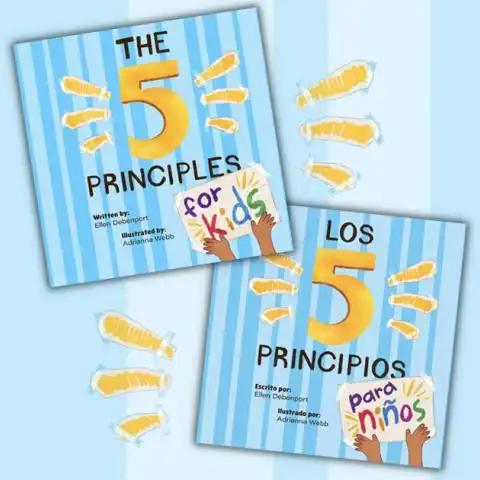
These practices align closely with the teachings of Unity, especially the idea that our thoughts, feelings, and beliefs shape our experience. One of our favorite ways to go a little deeper together is by reading The 5 Principles for Kids by Ellen Debenport. It brings these ideas into language that even young children can understand, in a way that feels simple and true. It reminds us that what we focus on grows, and I see that truth unfolding in my home every single day, in the smallest, most meaningful moments.
Mindfulness Can Be Fun
One of the ways we bring these ideas to life is through the Stick Togethers from Unity. They give us a hands-on, creative way to practice focus, patience, and presence together. They may show up in a lunchbox, on a nightstand, or taped to a mirror in our house, small reminders in the middle of ordinary days. My girls love them, and so do I. They remind me that mindfulness does not have to be serious to be meaningful. It can be playful. It can be light. It can be pretty, little sticky notes scattered about.
Start Today
And here is the truth: Most times I need these practices just as much as my kids do. It is easy to fall into the mindset that if I am doing well in one area, I must be failing in another. That pressure builds quietly and quickly. In those moments, I walk myself through the same steps I teach my daughters. I ground. I breathe. I redirect my thoughts. I begin again.
It is never too early to introduce mindfulness and spirituality in your home. Toddlers are capable of more than we think. They are open, curious, and ready to learn how to care for their inner world, especially when we are learning alongside them.
We do not need to get it perfect. We just need to show up, again and again, and practice together.


Acerca del autor


Más como este
 Artículo
The Shift That Saved Me
From constant worry to chosen peace: How Unity teachings, Daily Word, and small spiritual practices pulled Felix Lilly out of quiet burnout and back to trust.
 Artículo
Don’t Numb Out: Staying Human in Surreal Times
Navigate stress and division in surreal times. Discover techniques to return to center, embrace the sacred ordinary, and spark change through love and connection.
 Artículo
Keep Your Spiritual Energy Flowing with These Simple Tips
Elevate your day with simple spiritual practices. Reduce stress, boost resilience, and find guidance through daily rituals.
 Artículo
A Prayer for Children: Goals
Discover how patience, prayer, and faith help children achieve their goals while remembering God’s presence in every step toward growth and learning.