Ecclesiastes 4:6
"Better is a handful of quietness than two hands full of toil and a striving after wind" (Ecclesiastes 4:6 RSV).
Comment:
The book of Hebrew scripture known as Ecclesiastes, or The Preacher, is from the third century B.C.E. Its inclusion is unusual in that it is a work of philosophy rather than religion. In fact, many of the author's conclusions are very much at odds with Jewish teaching. Its basic theme is that human life is neither more nor less than all other expressions of life in the world. It is what it is, and trying to change things achieves nothing. "What has been is what will be, and what has been done is what will be done; and there is nothing new under the sun" (1:9). And yet, he explains, life is still worth living so long as we focus on acceptance of what is, rather than toiling for the illusion of change.
In Chapter 4, The Preacher (a more accurate translation of the Hebrew would be 'The Teacher') defines greed and envy as the prime motivators that keep people exhausting themselves with frenzied efforts that are ultimately pointless. The statement in 4:6 is that it is better to quietly accept what is, rather than struggling to achieve something more.
One doesn't have to accept The Preacher's philosophy to find a spark of spiritual Truth here. It is certainly true that we can exhaust ourselves trying to manipulate life with our limited human abilities; all true creation begins with an acceptance of, and gratitude for, the present moment. It is in "a handful of quietness" that we remember and experience our true Oneness with infinite Spirit.
Blessings!
Rev. Ed
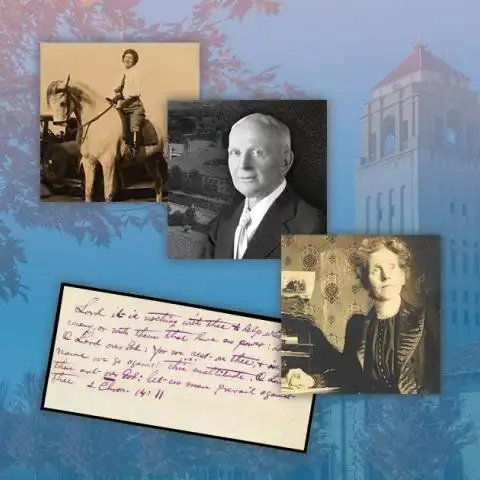
Explore the Rich History of Unity

Curious about the meaning of Bible verses?
Más como este
 Bible Interpretation
Ecclesiastes 11:1 "Cast your bread upon the waters, for you will find it after many days..."
Cast your bread upon the waters, for you will find it after many days. Give a portion to seven, or
 Bible Interpretation
Ecclesiastes 10:19
"Bread is made for laughter, and wine gladdens life, and money answers everything" (Ecclesiastes 10:19 RSV).Question:I am currently going through
 Bible Interpretation
Ecclesiastes 1:9-11 "What has been is what will be, and what has beed done is what will be..."
"What has been is what will be, and what has been done is what will be done; there is nothing
 Bible Interpretation
Ecclesiastes 3:15 "That which has been is now; and that which is to be hath already been..."
Question:Is it the translation that makes this verse so difficult? Seems that translators haven’t been able to write an understandable