Luke 10:33 "But a Samaritan while traveling came near him; and when he saw him, he was moved..."
"But a Samaritan while traveling came near him; and when he saw him, he was moved with pity" (Luke 10:33).
Comment:
This is one sentence from the familiar and beloved parable of the Good Samaritan. You didn't indicate why you are asking about it, and it's difficult to focus on the one sentence apart from the entire story. A traveler has been set upon by robbers and left for dead by the side of the road between Jerusalem and Jericho. A priest and a Levite—both of high rank within the established religious structure—have already passed by without stopping to help. There are 'practical' reasons for this—to touch either blood or a dead body would require that they undergo a ritualistic cleansing before they could resume their religious duties. A Samaritan, on the other hand, had no place in the religious structure at all. Samaritans were considered “second class citizens” at best, descendents from Jews who had intermarried with people from other tribes and so were considered impure. They were not allowed in the Temple, not allowed in Jewish homes, generally treated as social and religious outcasts. Yet even the questioning lawyer is forced to acknowledge to Jesus that it was the Samaritan who was willing to be a “neighbor” to the injured man. For us, too, what is required is not that we master spiritual principles, but that we make the simple choices that express the Love of God through us into the world. This may often happen in ways that seem insignificant and unimportant—as Samaritans seemed in the society of Jesus' time. But it is in every small instance of loving our neighbors as ourselves—and recognizing that all people spiritually are our neighbors—that we accomplish our spiritual purpose of manifesting the kingdom of heaven. Blessings!
Rev. Ed
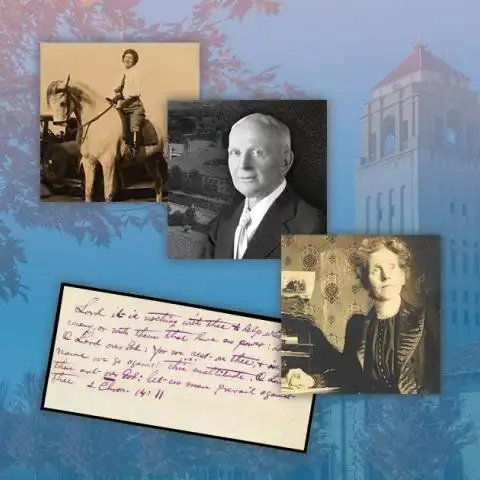
Explore the Rich History of Unity

Curious about the meaning of Bible verses?
Más como este
 Bible Interpretation
Luke 10:25-37 "Just then a lawyer stood up to test Jesus..."
25 “Just then a lawyer stood up to test Jesus. ‘Teacher,’ he said, ‘what must I do to inherit eternal
 Bible Interpretation
Luke 10:33-34
"But a Samaritan, as he journeyed, came to where he was; and when he saw him, he had compassion, and
 Bible Interpretation
Luke 10:25-37; Luke 12:22-34; 1 Corinthians 9:24-27
Question:I'm trying to write an essay on these passages.Comment:LUKE 10:25-37 offers one of Jesus' greatest parables, the Good Samaritan. It's
John 4:24 "But the hour is coming, and is now here, when the true worshipers will worship..."
"But the hour is coming, and is now here, when the true worshipers will worship the Father in spirit and