Matthew 5:1-11 The Beatitudes
“When Jesus saw the crowds, he went up the mountain; and after he sat down, his disciples came to him. 2Then he began to speak, and taught them, saying: 3’Blessed are the poor in spirit, for theirs is the kingdom of heaven.’ 4’Blessed are those who mourn, for they will be comforted.’ 5’Blessed are the meek, for they will inherit the earth.’ 6’Blessed are those who hunger and thirst for righteousness, for they will be filled.’ 7’Blessed are the merciful, for they will receive mercy.’ 8’Blessed are the pure in heart, for they will see God.’ 9’Blessed are the peacemakers, for they will be called children of God.’ 10’Blessed are those who are persecuted for righteousness’ sake, for theirs is the kingdom of heaven.’ 11’Blessed are you when people revile you and persecute you and utter all kinds of evil against you falsely on my account’” (Matthew 5:1-11).
Comment:
In the Sermon on the Mount the author of the Gospel of Matthew brings together in one speech all the essential teachings of Jesus' three-year ministry. The Sermon begins with this passage known as the Beatitudes, intended to shock and awaken his listeners into realizing that his message was going to be radically different from traditional religious teaching. The translators of the Jesus Seminar, in their book The Five Gospels, attempt to communicate this radical energy by changing the mild "Blessed are ..." to the more aggressive "Congratulations to ...." Congratulations to the poor in spirit, for theirs is the kingdom of heaven. All of those listening to Jesus were “poor in spirit,” feeling like religious rejects living unhappy lives with no real hope of “salvation.” Jesus makes the essential point that a sense of being poor in spirit—a sense of dissatisfaction with the status quo—is a good thing; it's essential for anyone about to set out on the great spiritual process that will bring the kingdom of heaven into expression through us. We won't be motivated to move forward if we're passively accepting of what already is. The same is true throughout the Beatitudes. Each overturns the religious mindset that sees negative life experiences as punishment from God. They are rather wake-up calls to get us moving on our spiritual purpose. We must mourn our lost sense of spiritual identity if we are ever to find it again. We must hunger and thirst after righteousness if we are to bring the experience of righteousness into being. We must begin to recognize the creative power of our own thoughts—thoughts of mercy create a merciful life experience, thoughts of peace create a peaceful world. We must, in short, stop seeing ourselves as victims—of either an angry God or an unfair world—and allow Jesus to teach us how to claim our true spiritual power. Blessings!
Rev. Ed
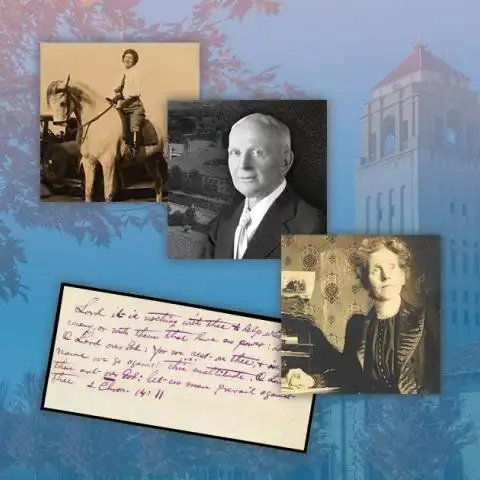
Explore the Rich History of Unity

Curious about the meaning of Bible verses?
Más como este
 Bible Interpretation
Matthew 5:1-3 "When Jesus saw the crowds, he went up the mountain..."
“When Jesus saw the crowds, he went up the mountain; and after he sat down, his disciples came to him
 Bible Interpretation
The Beatitudes
Matthew 5:3-12Comment:There is no brief way to discuss the Beatitudes, which are like the Overture to the entire ministry of
 Bible Interpretation
Matthew 5:1-3 "When Jesus saw the crowds, he went up the mountain..."
"When Jesus saw the crowds, he went up the mountain; and after he sat down, his disciples came to him
 Bible Interpretation
Psalm 51:10-12 and Psalm 42:1-2 "Create in me a clean heart..." and "As a deer longs..."
Psalm 51:10-12: "Create in me a clean heart, O God, and put a new and right spirit within me. Do